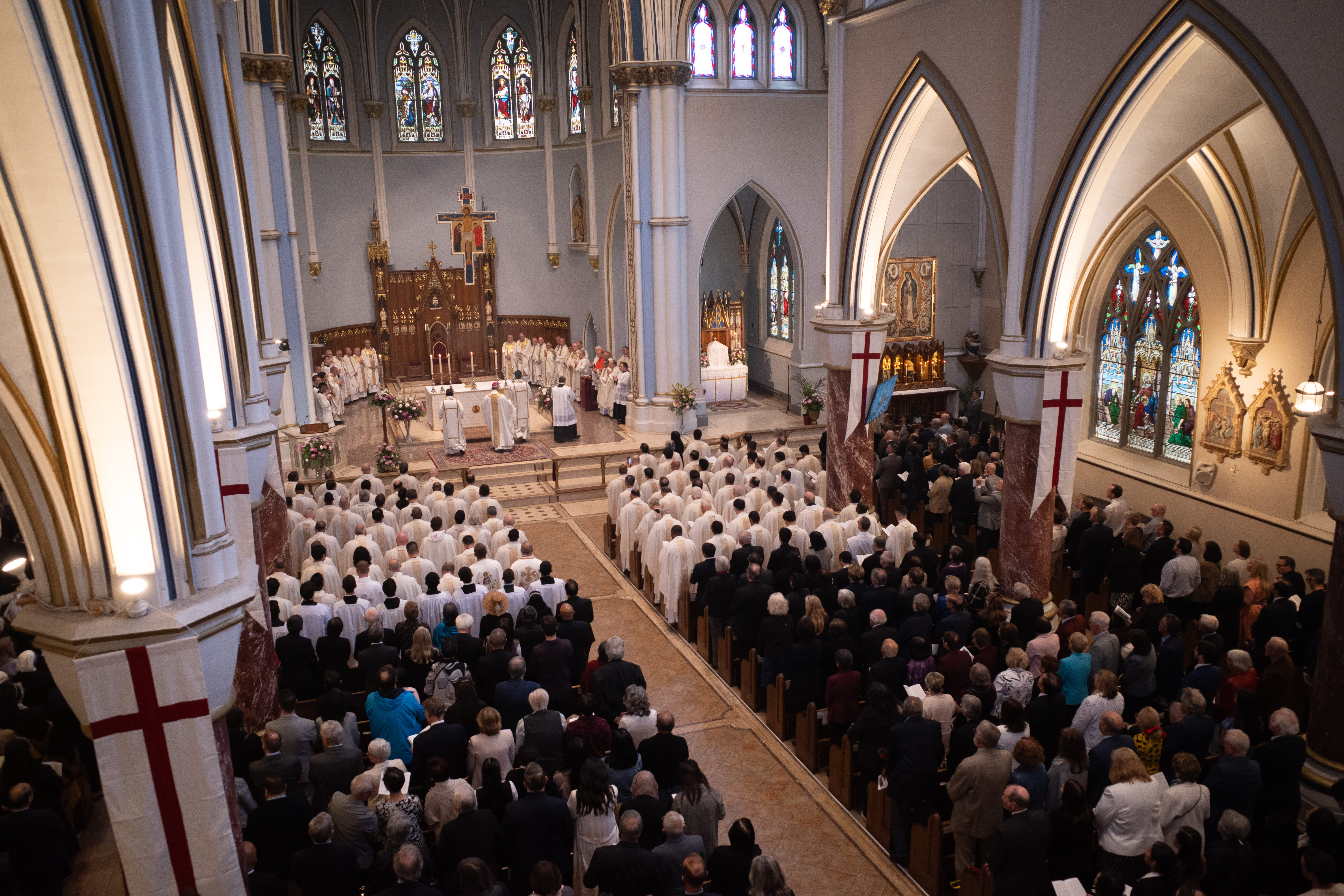
The Roman Catholic Archdiocese of Vancouver (RCAV) continues the mission of Jesus Christ and the Catholic Church in Mainland Southwest British Columbia.
Archbishop Richard Smith is our chief pastor and leader, tending to both the spiritual and administrative needs of the Archdiocese.
The Roman Catholic Archdiocese of Vancouver (RCAV) continues the mission of Jesus Christ and the Catholic Church in Mainland Southwest British Columbia. Archbishop Richard Smith is our chief pastor and leader, tending to both the spiritual and administrative needs of the Archdiocese.
Statistics
As of 2025, the Archdiocese has:
- 77 parishes
- 106 diocesan priests
- 100 religious priests
- 38 permanent deacons
- 112 consecrated women
- 23 professed/religious brothers
- 2,224 catechists
More than 80 organizations, associations, ministries and clubs help carry out the Church’s mission. There are 52 Catholic schools and four colleges, including Corpus Christi College, St. Mark’s College and Catholic Pacific College and Seminary of Christ the King.
There are five Catholic hospitals, including Holy Family Hospital, Mount St. Joseph Hospital, St. Paul’s Hospital and St. Vincent’s Hospital.
Within the Archdiocese, we have one archdiocesan cemetery named Gardens of Gethsemani and two OMI cemeteries including St. Mary’s Chilliwack Cemetery and St. Peter’s New Westminster Cemetery.
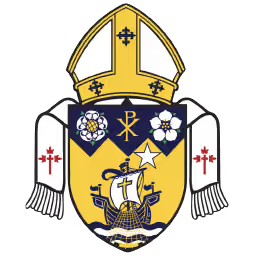
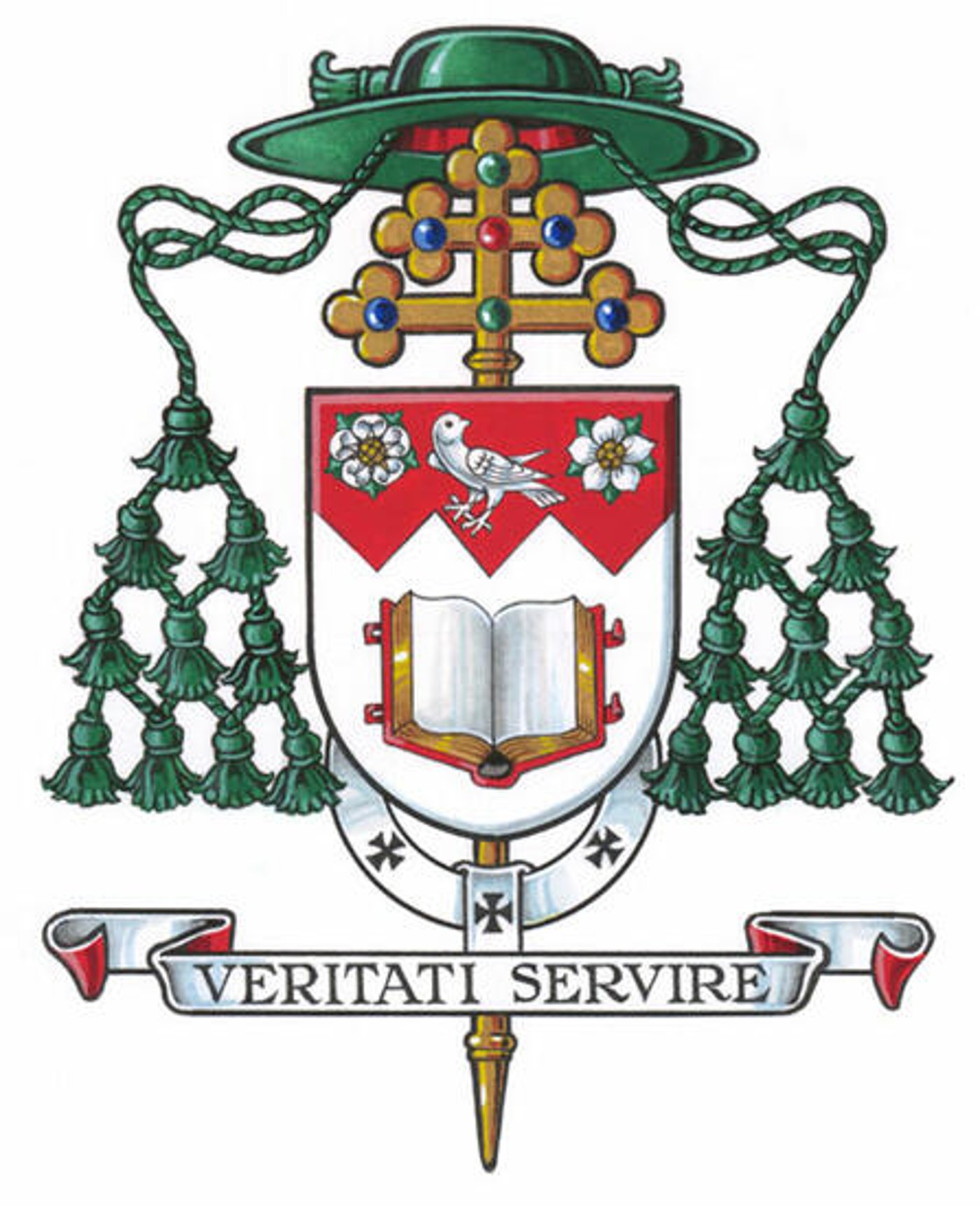
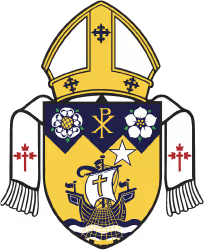
Or in base upon water barry wavy azure and argent a lymphad azure full sail argent with cross or and a net or cast upon the waters; in chief a mullet argent set between the second and third dancetty of three points azure, the Chi-Rho centered or, between an heraldic rose argent and a dogwood flower argent on the sinister; all surmounted with the precious mitre or.
Our beginnings go back to the Vicariate Apostolic of British Columbia, which was establishedin 1863 with the Oblate local superior, Bishop Louis-Joseph d’Herbomez, OMI, as the Vicar Apostolic. On September 19, 1908, Pope Pius X established the Roman Catholic Archdiocese of Vancouver (RCAV) with Archbishop Augustin Dontenwill, OMI, appointed as the first Archbishop.
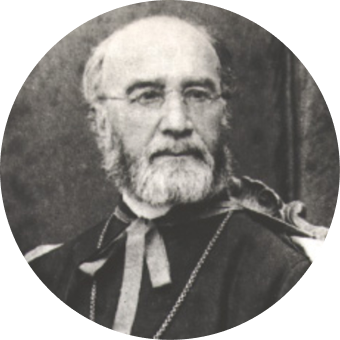
Bishop Louis-Joseph d’Herbomez came to North America in 1850 to work in the Oregon mission. He was initially stationed with the Yakima people (1851) and then sent to Puget Sound (1860). In 1858, he was named vicar of missions and moved to Vancouver Island. He was appointed bishop of the newly formed Vicariate Apostolic of British Columbia on December 22, 1863, and subsequently moved to New Westminster, the seat of the new ecclesiastical territory.
Bishop d’Herbomez attended the First Vatican Council in 1869, but during his return through France he was captured in Nancy by German troops. He was released a short time later. On his return to British Columbia, d’Herbomez oversaw the development of Aboriginal missions and the establishment of Holy Rosary parish, the first parish in the city of Vancouver. Bishop d’Herbomez died on June 3, 1890, in New Westminster, at the age of 68.
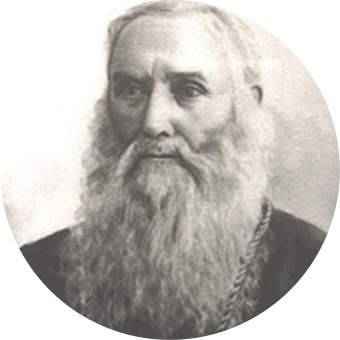
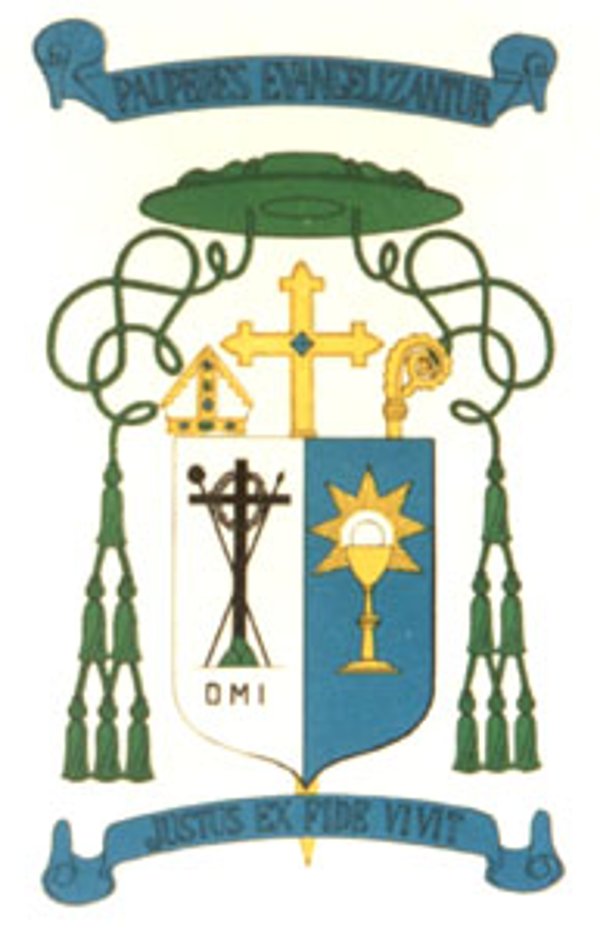
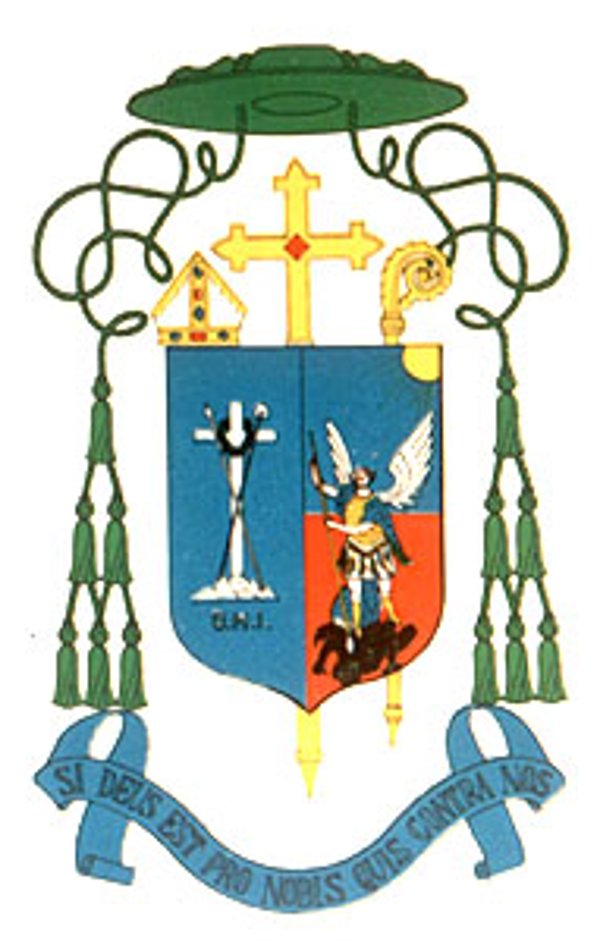
Bishop Pierre-Paul Durieu came to the Oregon mission in 1854 and was a missionary with the Yakima people and also worked as a missionary in the Fraser Valley and on Vancouver Island (1855–1875). He was appointed by Pope Pius IX as titular bishop of Marcopolis and coadjutor of the Vicariate Apostolic of British Columbia on June 2, 1875. In 1890, with the death of Bishop d’Herbomez, OMI, he became bishop of the Vicariate Apostolic of British Columbia. That same year, September 2, 1890, the vicariate apostolic became the Diocese of New Westminster, thereby making Bishop Durieu the first bishop of New Westminster. Bishop Durieu was instrumental in expanding the mission territories and oversaw construction of many churches, chapels and schools. He died on June 1, 1899, at age 69.
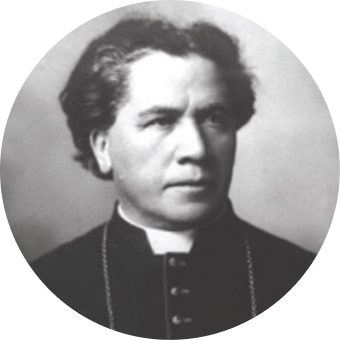
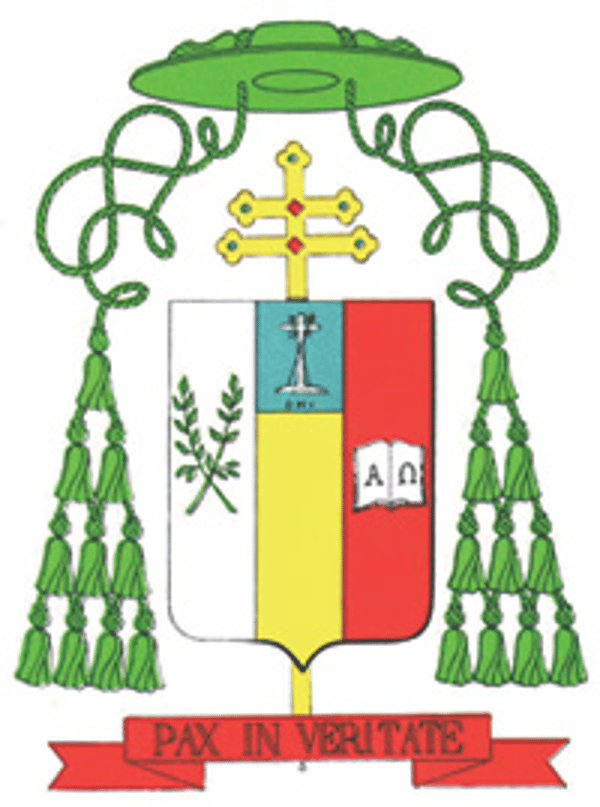
Five years after his ordination, Archbishop Augustin Dontenwill came to teach at St. Louis College, located in New Westminster. He was appointed by Pope Leo XIII as titular bishop of Germanicopolis and coadjutor to Bishop Pierre-Paul Durieu on April 3, 1897, and had his episcopal ordination in August. During his tenure as bishop of New Westminster, he caused the building of Holy Rosary Cathedral and helped establish seven parishes in the diocese. He was promoted by Pope Pius X as the first archbishop of Vancouver on September 19, 1908, while at the general chapter meeting of the Oblate order in Rome. At that same meeting he was elected superior general of the order and was forced to resign his position as archbishop of Vancouver, a few days after his appointment. He died in Rome November 30, 1931.
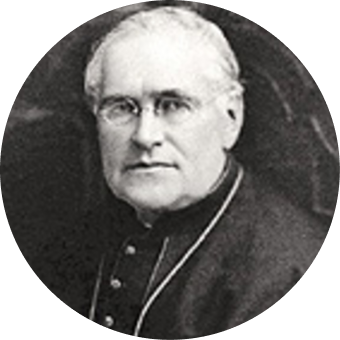
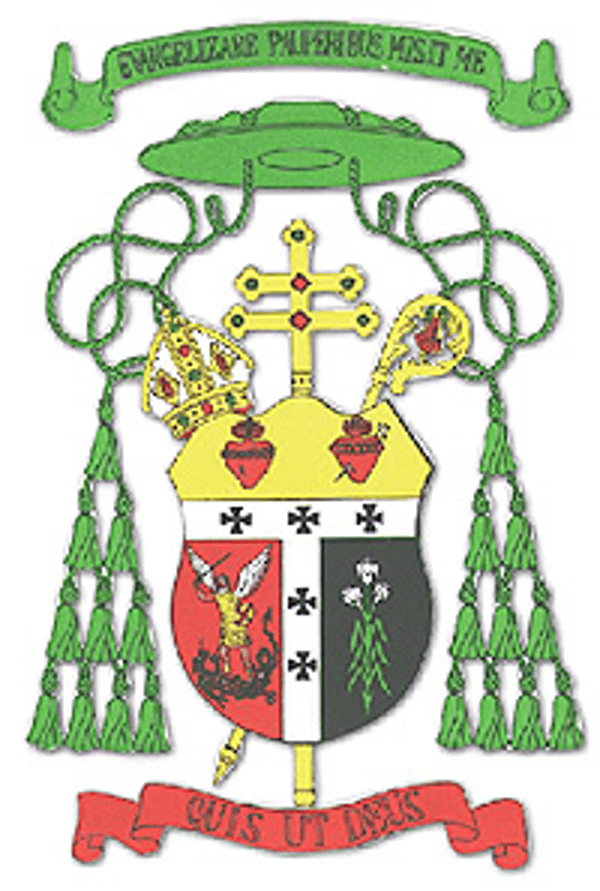
Upon returning from his ordination in Rome, Archbishop Neil McNeil, at that time Father McNeil, was appointed vice-rector and then rector of the College of St. Francis Xavier in Antigonish, Nova Scotia, where he served between 1880 and 1891. Between 1891 and 1895 he was pastor in West Arichat and then Descousse, Nova Scotia. On August 6, 1895, he was appointed titular bishop of Nilopolis and vicar apostolic of St. George’s, Newfoundland, by Pope Leo XIII. He would become bishop of St. George’s in 1904. On January 19, 1910, Bishop Neil McNeil was appointed to the Archdiocese of Vancouver. He was the first secular priest to be named archbishop of the Archdiocese; he was responsible for establishing suburban parishes and encouraging Catholic settlement in the Fraser Valley. Archbishop McNeil remained in his position for only two years, after which time he was appointed archbishop of Toronto. He died May 25, 1934, in Toronto, at the age of 82. (Courtesy of the Archdiocese of Toronto
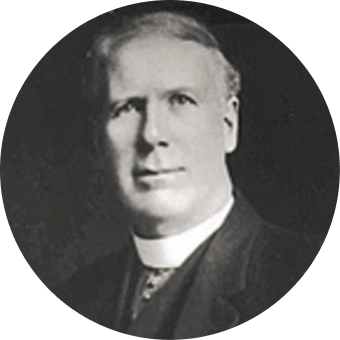
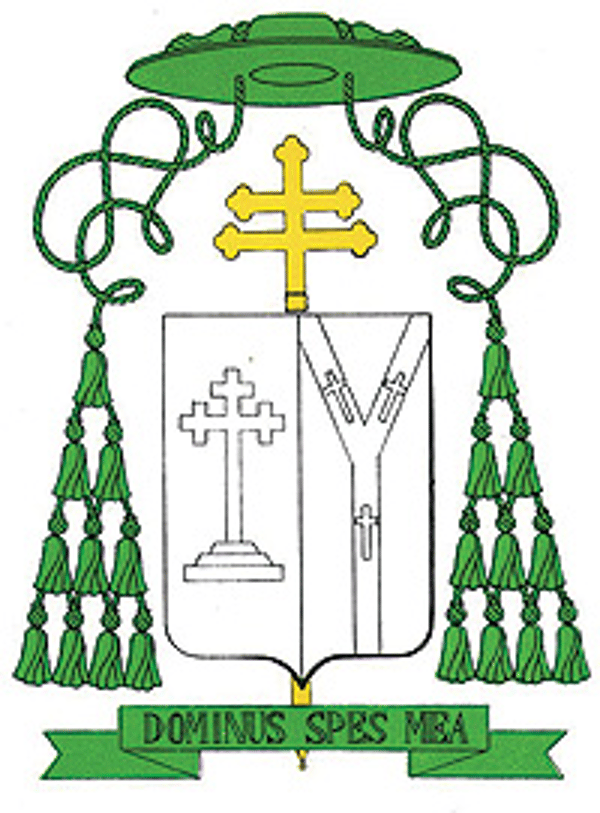
Archbishop Timothy Casey initially served the Diocese of Saint John in America, now the Diocese of Saint John, New Brunswick. On September 30, 1890, he was appointed titular bishop of Utina and coadjutor of Saint John by Pope Leo XIII. He became the bishop of Saint John upon the death of Bishop John Sweeny on March 25, 1901. Archbishop Casey was appointed to the Archdiocese of Vancouver on August 2, 1912, by Pope Pius X. He began his episcopate with an extensive tour of the southeastern part of the diocese. He made Holy Rosary his pro-cathedral and dealt with the difficult financial issues that faced the Archdiocese before and after World War I. Archbishop Casey died at St. Paul’s Hospital in Vancouver on October 5, 1931, at the age of 69.
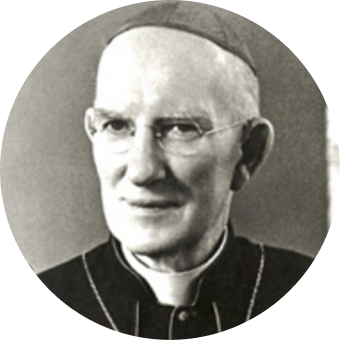

Archbishop William Duke began working as a parish priest for the Diocese of Saint John in America, now the Diocese of Saint John, New Brunswick; he eventually became rector of the cathedral of Saint John. On August 10, 1928, he was named titular bishop of Phasis and coadjutor bishop of the Archdiocese of Vancouver by Pope Pius XI.
He became archbishop of Vancouver after the death of Archbishop Timothy Casey on October 5, 1931. A strict disciplinarian, the “Iron Duke” kept careful rein on archdiocesan finances during the Hungry Thirties and World War II. He achieved his goals of fostering local vocations, building enough parishes and schools to meet Catholic needs, and establishing St. Mark’s College at the University of British Columbia. Archbishop Duke retired March 11, 1964, at the age of 84 and was succeeded by Archbishop Martin Johnson. Archbishop Duke died August 31, 1971, at the age of 91.
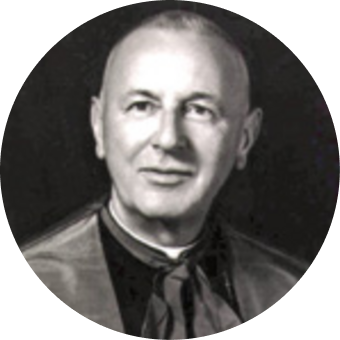

After his ordination in 1924, Archbishop Martin Johnson, then Father Johnson, began working in various parishes in the Archdiocese of Toronto. In 1931, he became the bursar at St. Augustine’s Seminary, and four years later, in 1935, he was appointed chancellor in spiritualibus for the Archdiocese of Toronto. He was elected the first bishop of Nelson on July 18, 1936, and was ordained a bishop on September 29, 1939, at St. Michael’s Cathedral in Toronto. He remained in Nelson for eighteen years until being appointed titular archbishop of Cius and coadjutor bishop to Archbishop William Duke on November 27, 1954. Archbishop Johnson’s primary task when he arrived in the Archdiocese was arranging capital financing and managing the expansion of diocesan services and churches. Upon the retirement of Archbishop Duke on March 11, 1964, he became Archbishop of Vancouver. He oversaw the formation of the first Catholic school board in the Archdiocese, centralized Catholic services, and worked to restructure Catholic education. Archbishop Johnson attended Vatican II and called himself a “Vatican II man.” He resigned as Archbishop of Vancouver on January 8, 1969, and died on January 29, 1975, at Lions Gate Hospital, at age 75.
Credit: Gordon Pinkerton
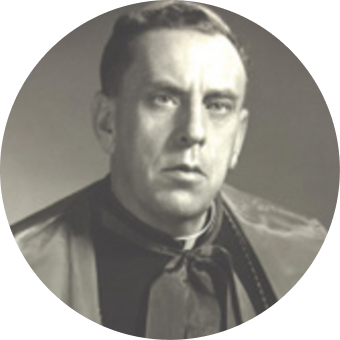

Born June 28, 1915 in what was then “South Vancouver.”
Archbishop James Carney’s first appointment was as an assistant at Holy Rosary Cathedral from 1942 to 1950. During that time he also held positions as chancellor and editor of the B.C. Catholic. In 1950, he was appointed to St. Patrick’s Vancouver, and four years later, in 1954, he was appointed assistant to Corpus Christi. A few months after his appointment to Corpus Christi he became pastor of the parish. In 1964, Archbishop Carney was named vicar general of the Archdiocese, which carried with it the title of Monsignor. Two years later, in 1966, he was appointed auxiliary bishop of Vancouver and was ordained February 11, 1966. Upon the retirement of Archbishop Martin Johnson in 1969, Bishop Carney was appointed Archbishop of Vancouver on January 8, 1969, and installed February 11, 1969. He is the first Vancouver-born Archbishop of Vancouver.
Archbishop Carney was known for his commitment to Catholic education, his fostering of priestly vocations and his unquestioning loyalty to the Holy Father. He was appointed as a member of the Congregation of the Clergy in 1986, by Pope Paul VI, and Pope John Paul II appointed him to the Synod of Bishops, despite his failing health, in 1990. Archbishop Carney died September 16, 1990, at the age of 75.
Credit: Hannay’s Portrait Studio
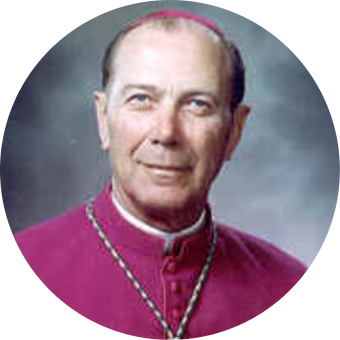

Father Adam Exner, OMI, served as professor, rector and superior at St. Charles Scholasticate in Battleford, Saskatchewan, and as professor of moral theology at Newman Theological College in Edmonton. He was appointed bishop of Kamloops in 1974, and archbishop of Winnipeg in 1982. As archbishop, he served as a member of the Congregation for Bishops. At the national level, he was a member of the Permanent Council of the Canadian Conference of Catholic Bishops (CCCB), the Social Communications Commission, Theology and Christian Education Commissions, and was a member of the National Catholic-Lutheran dialogue. Archbishop Exner was appointed Archbishop of Vancouver on May 25, 1991. Upon reaching the mandatory age of retirement for archbishops, he retired in January of 2004. Archbishop Exner died on September 5, 2023 at the age of 94.
Credit: Raymond Kao
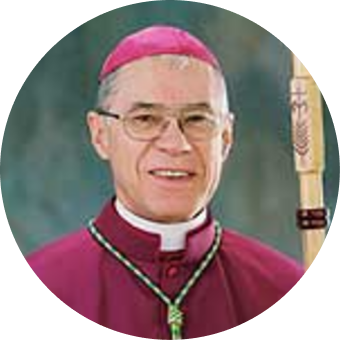

From 1960 to 1963, Archbishop Raymond Roussin, then known as Brother Ray, taught in St. Louis, Missouri, at Chaminade College Prep School, and in St. Anselme, Quebec, from 1963 to 1965. In preparation for seminary studies, Brother Ray studied philosophy at St. Louis University in St. Louis. In 1966, he began studies for the priesthood at the University of Fribourg in Fribourg, Switzerland, and was ordained in Fribourg on March 21, 1970, as a member of the Congregation of Marianists. That summer, he received his Licentiate in Sacred Theology (STL). He taught for many years in Quebec, Manitoba and the United States before becoming provincial superior of his order from 1980 to 1986. He was first named a bishop on June 14, 1995, when he was appointed bishop of Gravelbourg, Saskatchewan, a position he held until the dissolution of that diocese in 1998. Archbishop Roussin was installed as bishop of Victoria on June 28, 1999; he had been coadjutor bishop of Victoria since September 14, 1998. He was appointed archbishop of Vancouver by Pope John Paul II on January 10, 2004. Archbishop Roussin has been active within the Canadian Conference of Catholic Bishops (CCCB), serving as a member of the Episcopal Commission for Christian Education (French Sector), the Episcopal Commission for Liturgy (English Sector), the Permanent Council and also as CCCB liaison bishop with Canadian Catholic Campus Ministry.
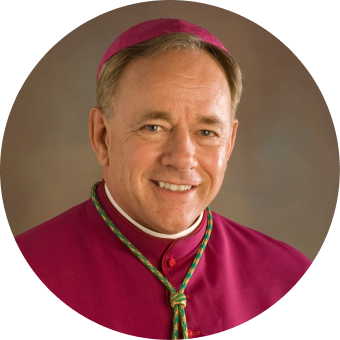
Archbishop J. Michael Miller, CSB, served as the Archbishop of Vancouver from 2009 until 2025. He had previously served as the coadjutor archbishop of Vancouver and as Secretary of the Congregation for Catholic Education. Prior to his appointment as bishop, he was a professor and academic administrator at the University of St. Thomas (UST) in Houston.
Archbishop Miller was born and raised in Ottawa, where he completed his secondary education. He entered the Basilian novitiate after his first year of studies at St. Michael's College in Toronto. He was ordained a priest in 1975. He completed a licentiate and doctoral degree in dogmatic theology and went on to teach at UST. After a five-year stint in Rome working at the Secretariat of State, he returned to UST and became its president in 1997. He was appointed Secretary of the Congregation for Catholic Education in 2002 and was consecrated the following year. He was named coadjutor archbishop of the Archdiocese of Vancouver in 2007, before assuming the office of archbishop two years later. Miller has been noted for overseeing the construction of the archdiocese's new administrative headquarters and starting its permanent diaconate program. He also appointed the committee that examined historical sex abuse by clergy in the archdiocese and published its findings in a report, purportedly the first in Canada.
4885 Saint John Paul II Way, Vancouver, BC V5Z 0G3
Phone: (604) 683-0281 | Fax: (604) 683-4288
4885 Saint John Paul II Way, Vancouver, BC V5Z 0G3
Phone: 604 683 0281
Fax: 604 683 4288